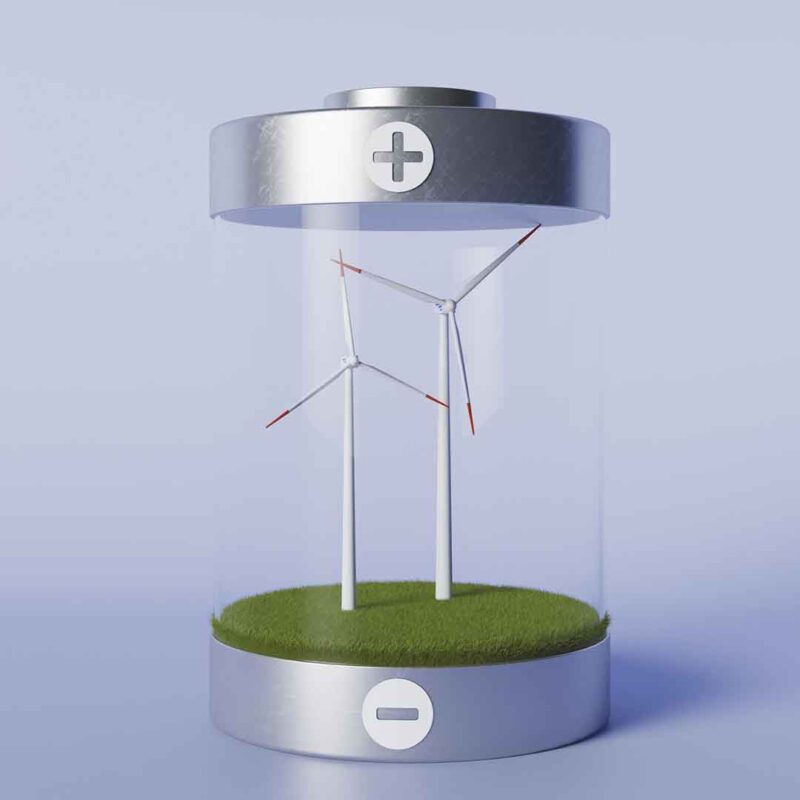
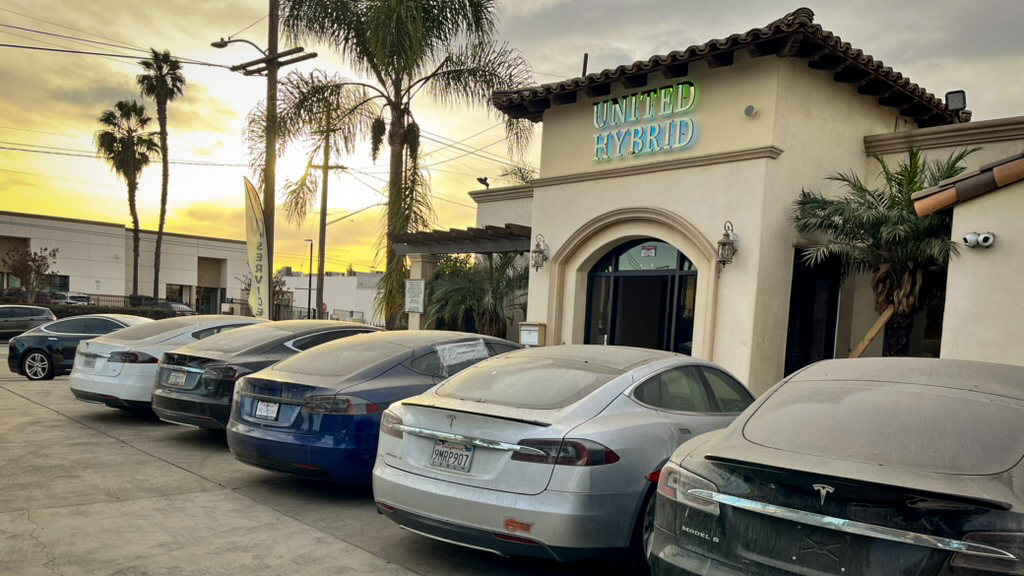
The development of #batteries has been instrumental in shaping modern #technology, particularly in the realm of #electricvehicles (#EVs). This post explores the history of batteries, tracing their evolution from early experiments to their pivotal role in today’s EVs, examines the parallel development of electric vehicles, and highlights the advancements in #batterytechnology that have made these innovations possible.
Early Beginnings: The Birth of Battery Technology
Before the invention of the first true #battery, humans experimented with various methods of producing and storing #electricity. Ancient civilizations discovered the electric properties of certain natural substances, such as amber, which could attract small objects when rubbed—a phenomenon we now understand as #staticelectricity. However, it wasn’t until the 17th century that scientists like #WilliamGilbert and #BenjaminFranklin began to systematically study and document electricity.
The first major breakthrough came in 1800 with #AlessandroVolta, who developed the #voltaicpile—the first true battery capable of producing a steady electric current. Volta’s invention was based on the principles of #electrochemical reactions. It consisted of alternating discs of #zinc and #copper, separated by cardboard soaked in saltwater, creating a continuous flow of electric charge. This innovation marked the beginning of modern battery technology.
In 1859, #GastonPlanté developed the first #rechargeablebattery—the #leadacidbattery. This innovation allowed energy storage devices to be reused, laying the foundation for applications in #transportation and beyond. Despite its relatively low #energydensity, the lead-acid battery is still used today, particularly in starting, lighting, and ignition systems of conventional vehicles.
Types of Batteries: The Building Blocks of Electric Vehicles
#LeadAcidBatteries: These early rechargeable batteries were foundational in automotive use due to their reliability and low cost. Though heavy and limited in energy capacity, they powered early EVs like the General Motors #EV1.
#NickelCadmium (#NiCd): Introduced in the late 19th century, NiCd batteries provided higher energy density than lead-acid but suffered from the “#memoryeffect,” reducing usable capacity over time.
#NickelMetalHydride (#NiMH): A significant improvement over NiCd, NiMH batteries became widely used in #hybridvehicles like the #ToyotaPrius. Safer and more eco-friendly, they’ve been largely replaced by lithium-ion batteries.
#LithiumIon (#LiIon): Invented in the 1970s and commercialized in the 1990s, these batteries revolutionized energy storage with their high energy density, low weight, and long lifespan. They now power modern EVs like the #TeslaModelS and #ChevyBolt.
#SolidStateBatteries: Still emerging, these replace the liquid electrolyte with a solid one, offering higher energy density, improved safety, and faster charging—potentially the future of EV batteries.
The Advent and Evolution of Electric Vehicles
#Electricvehicles date back to the early 19th century. In the 1830s, #RobertAnderson developed one of the first crude electric carriages. By the late 1800s, innovators like #ThomasParker and #WilliamMorrison introduced more practical models, which gained popularity due to their quiet operation and zero emissions.
In the early 20th century, electric cars made up a significant portion of automobiles. However, the rise of #internalcombustionengines and the availability of cheap oil led to a decline. A resurgence began in the late 20th century, fueled by #environmentalconcerns and new technologies.
Modern Electric Vehicles: A Battery-Powered Revolution
The rise of lithium-ion batteries was a turning point. With their superior performance, EVs became competitive with traditional vehicles. The 2008 #TeslaRoadster demonstrated the real potential of EVs, sparking a revolution in the #automotiveindustry.
Today, ongoing innovation in battery tech, including research into #solidstate and other next-gen solutions, is shaping the future of #sustainabletransportation.